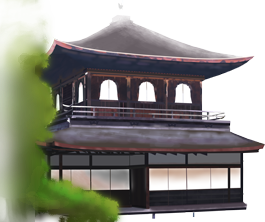
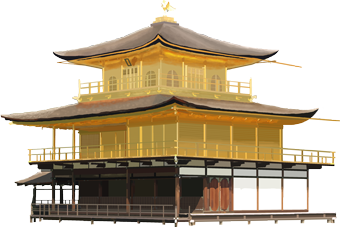
Kinkaku-ji and Ginkaku-ji are two of Kyoto’s most famous temples.
- Kinkaku-ji Temple (The Golden Pavilion): Renowned for its stunning, photogenic opulence.
- Ginkaku-ji Temple (The Silver Pavilion): Celebrated for its tranquil, refined beauty.
While both temples were built by Muromachi shoguns, they each offer a distinct atmosphere and aesthetic.
In this guide, we provide a thorough comparison of Kinkaku-ji and Ginkaku-ji, covering their unique atmosphere, cultural significance, and photography tips.
| Comparison | Kinkaku-ji Temple | Ginkaku-ji Temple |
|---|---|---|
| Related Cultural Movement | Kitayama Culture | Higashiyama Culture |
| Atmosphere | Luxurious, Vibrant, Elegant | Quiet, Wabi-sabi (the beauty of impermanence and weathered simplicity) |
| Founder | Ashikaga Yoshimitsu | Ashikaga Yoshimasa |
| Photography | Easy to get iconic, stunning shots | More challenging to capture perfectly |
| Crowds | Very crowded, especially at the pond | Relatively peaceful and calm |
Kinkaku-ji Temple
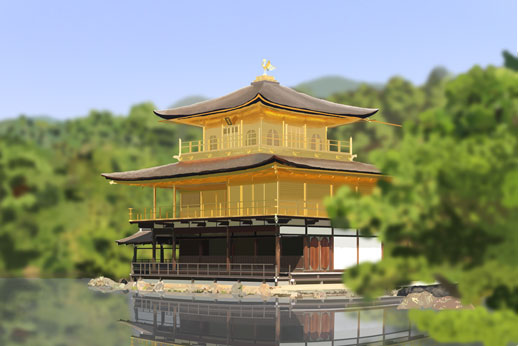
Kinkaku-ji, the Golden Pavilion, is famous for its exterior covered in brilliant gold leaf. Its breathtaking beauty continues to captivate visitors, leaving a lasting impression on everyone who sees it. With its vibrant, shimmering appearance, it perfectly embodies "miyabi" (the traditional Japanese aesthetic of elegance and refinement). It stands as the premier architectural icon of the Kitayama culture during the Muromachi period. It is worth noting that the original structure was lost to a fire in 1950, and the current pavilion is a faithful reconstruction.
A Radiant Landmark
Kinkaku-ji is situated at the foot of the Kitayama, northern hills, with lush forests to the north and the beautiful Kyoko-chi (Mirror Pond) to the south.
The pavilion faces south, allowing sunlight to bathe the golden walls throughout the day, creating a bright and magnificent atmosphere.
Ginkaku-ji Temple
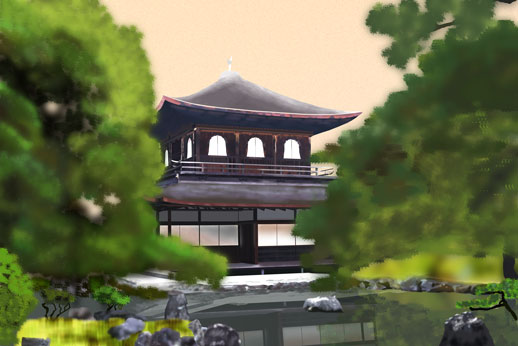
Ginkaku-ji, the Silver Pavilion, is defined by its understated, rustic charm. Its beauty lies in the harmony between the temple structure and the surrounding natural forests of the Higashiyama mountains, offering a deeply moving experience. The temple garden masterfully utilizes the technique of "shakkei" (borrowed scenery), which integrates the distant mountains and trees into the garden's design to create a seamless landscape. The temple is the perfect embodiment of "wabi-sabi" (the beauty of impermanence and weathered simplicity), reflecting an aesthetic that has inspired generations. It stands as a quintessential symbol of the Higashiyama culture during the Muromachi period.
A Haven of Serenity
Ginkaku-ji is nestled in the Higashiyama district. Surrounded by dense, lush woods, the temple grounds feature the serene Kinkyo-chi (Mirror Pond).
The temple often feels more shaded in the morning, creating a reflective and slightly melancholic atmosphere that lingers even into the late afternoon. Stepping into the grounds, you will be enveloped in silence and a profound sense of refined tranquility.
UNESCO World Heritage: Historic Monuments of Ancient Kyoto
Kinkaku-ji is officially known as Rokuon-ji, while Ginkaku-ji is formally called Jisho-ji.
Both temples are part of the UNESCO World Heritage Site known as "Historic Monuments of Ancient Kyoto."
The History of Kinkaku-ji and Ginkaku-ji
Kinkaku-ji was built by Ashikaga Yoshimitsu, the 3rd shogun of the Muromachi shogunate, while Ginkaku-ji was established by the 8th shogun, Ashikaga Yoshimasa.
At the time Kinkaku-ji was constructed, the Muromachi shogunate was at the absolute peak of its power and prosperity. Using this immense wealth, Yoshimitsu built his villa in the Kitayama district and covered the pavilion in gold leaf. After his passing, the villa was converted into a Rinzai Zen temple and became known as Kinkaku-ji.
In contrast, by the time Ashikaga Yoshimasa planned Ginkaku-ji, the shogunate's power had begun to wane following the outbreak of the Onin War (1467–1477).
Some historians suggest that there may have been plans to cover Ginkaku-ji in silver leaf as well; if that was the case, the project may have remained unfinished due to a lack of funds and resources at the time.
Can You Take Photos at Kinkaku-ji and Ginkaku-ji?
Both temples allow personal, casual photography using compact cameras for private enjoyment. Kinkaku-ji is well-lit, making it relatively easy to capture stunning images. In contrast, Ginkaku-ji can be more challenging for photography, as it receives limited sunlight in the morning and often faces backlight in the afternoon.
Please note that according to the official Kinkaku-ji website, "photography intended for public distribution (including social media) or commercial use is prohibited." Only casual snapshots taken with compact cameras for personal use are permitted.
While Ginkaku-ji does not have specific public restrictions posted on its website, casual photography for personal tourism is generally allowed. However, please be aware that commercial photography or filming usually requires prior permission. Please check the official websites for the most current guidelines.
Best Photo Spot at Kinkaku-ji / Best Viewpoint at Ginkaku-ji
Kinkaku-ji Temple: The classic photo spot is from across the Kyoko-chi (Mirror Pond), which provides the iconic view of the Golden Pavilion.
Ginkaku-ji Temple: A path leads to an elevated viewpoint within the grounds, offering a panoramic view of the entire garden. Rather than focusing solely on taking photos, this area is highly recommended for soaking in the refined, serene atmosphere and appreciating the garden’s quiet beauty.
Conclusion: Which One Should You Visit?
If you are looking for a luxurious, iconic Kyoto experience with vibrant visuals, Kinkaku-ji Temple is the place for you. If you prefer to immerse yourself in the quiet, refined beauty of a traditional Zen garden, Ginkaku-ji Temple is highly recommended.
If your schedule allows, visiting both is the best way to experience the fascinating contrast between the Kitayama and Higashiyama cultural periods.
Essential Information:
Kinkaku-ji & Ginkaku-ji
* All times are Japan Standard Time (JST, UTC+9).
Kinkaku-ji Temple
Admission: Adults: 500 yen / Elementary & Junior High Students: 300 yen
Address: 1 Kinkakujicho, Kita-ku, Kyoto, Japan
Ginkaku-ji Temple
Winter Hours (Dec – Feb): 9:00 AM – 4:30 PM
Admission: (Starting April 1, 2026) Adults: 1,000 yen / Students: 500 yen / Visitors with disabilities: 100 yen Address: 2 Ginkakujicho, Sakyo-ku, Kyoto, Japan