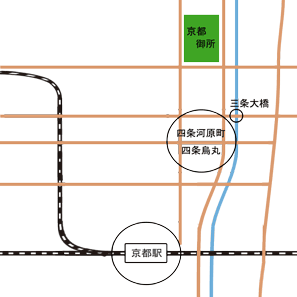
| Travel Style | Shijo Kawaramachi Shijo Karasuma |
Kyoto Station Area |
|---|---|---|
| Sightseeing Focus (Walking, Gion, etc.) |
Ideal. Enjoy traditional Kyoto streetscapes within walking distance. | Less Convenient. Requires public transport (bus or subway) to reach sites. |
| Access Focus (Shinkansen/Highway Bus) |
Slightly Inconvenient. Requires transfer to local train lines. | Ideal. Seamless, hassle-free access right at the station. |
| Nightlife & Dining (Shopping, Restaurants) |
Best. Located in the main downtown district with endless options. | Good. Mostly limited to the station building and hotel facilities. |
| Heavy Luggage Early Departure |
Less Convenient. Further distance from major transit hubs. | Ideal. Direct station access makes travel effortless. |
Shijo Kawaramachi & Shijo Karasuma
Advantages: As one of Kyoto’s main shopping and dining districts, you will find everything you need here. It offers excellent connectivity to the rest of the city or Osaka, and the historic Gion district is just a short stroll away. It is a place where modern trends and traditional Kyoto charm coexist.
Did you know that the historic Tokaido Road ended in Kyoto during the Edo period? The official end point was Sanjo Ohashi Bridge, located right next to Keihan Sanjo Station.
Just a short walk south of this bridge, you will find the vibrant Shijo Kawaramachi district.
Kyoto was laid out on a grid pattern during the Heian period in 794. When the Imperial Palace was relocated to its current site within the city in 1337, the area extending to its south expanded into the city's historic downtown and flourished as its commercial heart. Shijo Kawaramachi and Shijo Karasuma lie right there.
Today, this district is a bustling commercial hub lined with department stores and boutiques, with a vibrant dining scene ranging from traditional Japanese restaurants and trendy cafes to casual eateries. It serves as a major hub for city and Keihan buses. The area is also well-connected by train, with easy access to the Hankyu Line (toward Osaka and Arashiyama), the Keihan Line (toward Fushimi Inari and Uji), and Shijo Station (Karasuma Subway Line). With Gion within walking distance, you can fully enjoy the authentic, nostalgic atmosphere of Kyoto.
Kyoto Station Area
Advantages: As the primary terminal for the Shinkansen and highway buses, it offers unparalleled access for both regional and nationwide travel. The station building is a massive complex with extensive shopping and dining facilities.
The area around Kyoto Station was historically the southern edge of the Heian capital, slightly removed from the old city center.
The area developed significantly following the opening of the Tokaido Main Line and later the Shinkansen. The current Kyoto Station building is a massive, multi-functional complex featuring a famous grand staircase, numerous shops, and restaurants, making it a major tourist destination in its own right.
With the Shinkansen, limited express, and local trains departing frequently, it is a convenient base for exploring not only Kyoto but also the rest of Japan. Transfers to the JR Sagano Line (for Arashiyama) and the JR Nara Line (for Fushimi Inari and Uji) are straightforward. The area also boasts a massive bus terminal and access to the city subway system, making it an incredibly convenient base for exploring Kyoto.